 ultimate-guide
The Business Guide to Electrical Compliance Certificates
Last Updated: November 8, 2026
Quick Summary
An electrical compliance certificate is a legal document signed by a licensed electrician confirming that specified electrical work has been tested and found safe for use. For a business, it proves the installation work meets the relevant Australian Standards and the requirements of the state or territory regulator.
- Each state and territory runs its own certificate scheme, forms and lodgement rules, so there is no single national certificate.
- A certificate issued interstate does not automatically satisfy a local regulator, so treat each jurisdiction as a separate compliance record.
- A complete certificate records the contractor's licence details, the work performed, test results and the licensed person's signature.
- Log every certificate against the site address and date of work as soon as it arrives.
- Keep certificates for as long as the installation remains in service, not just for a filing year.
Table of Contents
- What an Electrical Compliance Certificate Confirms for a Business
- Electrical Compliance Requirements for Businesses Across State and Territory Regulators
- Electrical Certificate of Compliance NSW: What Commercial Sites Need to Know
- Who Can Issue a Certificate and What It Must Contain
- Your Electrical Inspection Checklist for Businesses Before Work Starts
- Getting an Electrical Compliance Certificate After Renovation or Fit-Out
- Recordkeeping, Liability and What Happens Without a Certificate
- Booking a Compliant Electrical Job for Your Business
- Frequently Asked Questions
What an Electrical Compliance Certificate Confirms for a Business
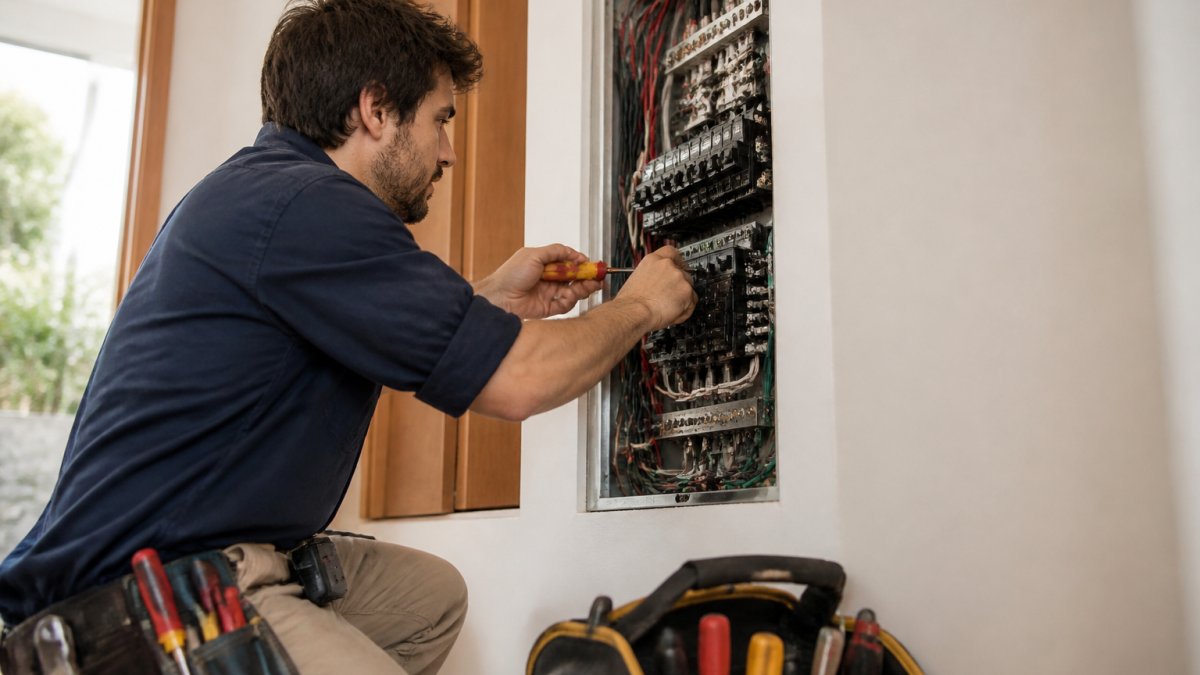
An electrical compliance certificate is a legal document, completed and signed by a licensed electrician, confirming that specified electrical work has been tested and found safe for use. For a business, it is proof that the installation work meets the relevant Australian Standards and the requirements of the state or territory regulator.
That single page carries real weight. It records the work performed, the test results, the date, the contractor's details and the name and address of the customer.
At BPE Solutions, the electrician who quotes the job is the one who completes it, and the certificate is issued as part of the work. Below, we break down what each certificate type covers, how the rules differ between regulators, and how to build a compliance record that holds up years after the electrician has packed up and left.
Electrical Compliance Requirements for Businesses Across State and Territory Regulators
There is no single national certificate. Each state and territory runs its own scheme, its own forms and its own submission rules, which is the first thing most business owners get wrong.
For a business operating more than one site, the practical problem is that the same job can generate different paperwork depending on the postcode. The table below sets out the main schemes a commercial customer is likely to encounter.
| Jurisdiction | Regulator or scheme | Typical certificate name | Who receives or lodges it |
|---|---|---|---|
| New South Wales | SafeWork NSW administers the electricity safety framework | Certificate of Compliance - Electrical (CCEW) | Customer receives a copy; certain work must be reported to the regulator |
| Victoria | Energy Safe Victoria | Certificate of Electrical Safety (CES) | Customer receives a copy; lodgement obligations apply to the licensed electrician |
| Queensland | Electrical Safety Office | Electrical Safety Certificate | Customer receives a copy; the contractor lodges where required |
| Western Australia | Building and Energy (DEMIRS) | Electrical Safety Certificate | Customer receives a copy; lodgement and reporting rules apply |
| South Australia | Consumer and Business Services | Certificate of Compliance - Electrical | Customer receives a copy; the contractor manages lodgement |
| Tasmania | WorkSafe Tasmania | Certificate of Electrical Compliance | Customer receives a copy; reporting obligations apply |
| Australian Capital Territory | Access Canberra | Certificate of Electrical Safety | Customer receives a copy; the contractor lodges where required |
| Northern Territory | NT WorkSafe | Certificate of Compliance - Electrical | Customer receives a copy; the contractor manages lodgement |
A common mistake is assuming a certificate issued interstate automatically satisfies a local regulator. It does not. If your business operates sites across borders, treat each jurisdiction as a separate compliance record with its own form, its own retention period and its own lodgement process.
Watch out: certificate names and lodgement timeframes change, and a form that was correct last financial year may have been replaced.
Electrical Certificate of Compliance NSW: What Commercial Sites Need to Know
For commercial premises in New South Wales, certificate requirements apply to installation work on business premises just as they do to homes.
The practical points for a commercial site:
- A certificate is generally issued for completed electrical work, with a copy provided to the customer.
- The certificate identifies the work performed and the contractor responsible.
- Certificates should be retained. If a dispute, insurance claim or audit arises, the certificate is your evidence.
What most guides miss is the handover gap. On a fit-out with multiple trades, certificates often sit in a folder nobody opens again. We recommend logging every certificate against the site address and the date of work as soon as it lands, so a future inspection or property sale does not turn into an archaeology project.
Who Can Issue a Certificate and What It Must Contain
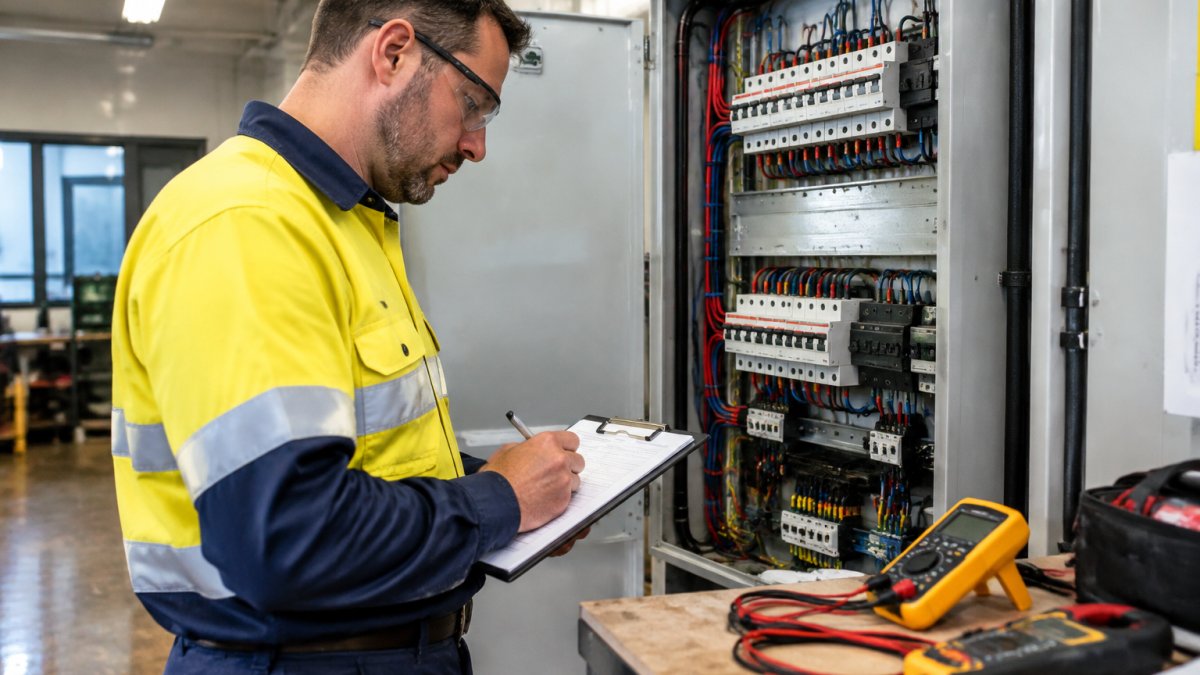
Electrical work certificates should be issued by a licensed electrician or licensed electrical contractor (Certificates of Electrical Safety for the community). The person signing is taking legal responsibility for the testing and for the declaration that the installation is electrically safe.
A complete certificate typically records:
- The contractor's name, licence number and contact details
- The customer's name and address, and the address of the work
- A description of the electrical work performed
- The date or dates the work was carried out
- Test results, including insulation resistance and polarity checks
- The date of certificate issue and the signature of the licensed person
If any of those fields are blank, the document is not doing its job. A certificate details section with no test results is a red flag, not a formality.
Your Electrical Inspection Checklist for Businesses Before Work Starts
Before any electrician touches your switchboard, run this checklist. It takes ten minutes and prevents most of the disputes that follow a commercial job.
- Confirm the contractor's licence number and insurance certificate in writing
- Ask which certificate will be issued and who lodges it with the regulator
- Get a written price before work begins, itemised by task
- Photograph the existing switchboard and any damaged equipment
- Confirm the scope: what is being installed, repaired or replaced
- Agree on site access, isolation times and who signs off the completed work
- Ask where the certificate copy will be sent and stored
The switchboard photo is the one people skip. It takes thirty seconds and settles arguments about pre-existing faults. If the inspection flags defects, our switchboard upgrades service covers the repair work that follows.
Getting an Electrical Compliance Certificate After Renovation or Fit-Out
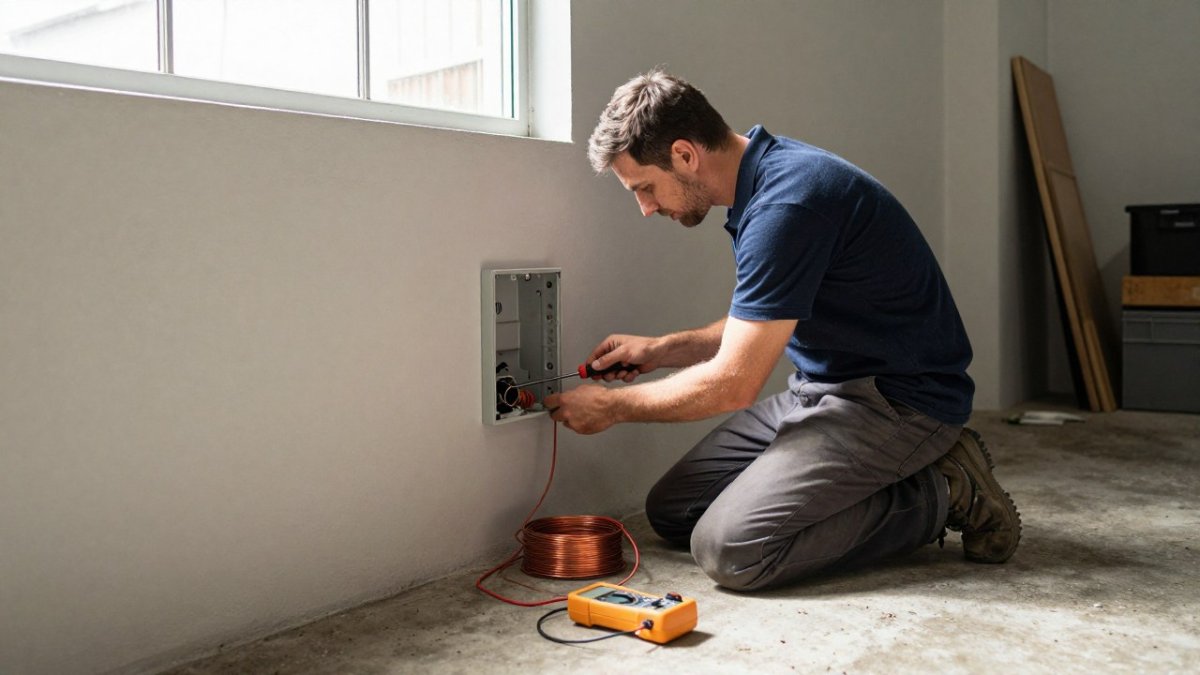
An electrical compliance certificate after renovation is where commercial projects most often fall short. A fit-out involves rough-ins, new circuits, lighting, data, and often a switchboard upgrade, and each stage needs to be tested and documented before it is closed up behind plaster.
For businesses running a renovation or fit-out, our renovation electrician service handles the compliance side of the project from rough-in to final certificate. Watch out: if you let the builder coordinate the electrical trades without a documented testing stage, you can end up with finished walls and no way to prove what is behind them.
Recordkeeping, Liability and What Happens Without a Certificate
Without a certificate, you cannot prove the work was done to standard, and that gap lands on the business, not the electrician who has moved on. The risks stack up quickly. Insurers may decline a claim where electrical work is undocumented.
Most guides stop at that warning. The more useful question for a business is what a workable recordkeeping system actually looks like across multiple sites, contractors and years of work.
A simple retention and review routine looks like this:
- Log on receipt. Record the certificate against the site and date the day it arrives, not at the end of the project.
- Verify the details. Check that the certificate names the correct installation, describes the work performed, and includes test results and the licensed person's signature.
- File the supporting evidence. Keep test results, switchboard photos and the scope of work with the certificate.
- Set a review reminder. Diarise a periodic check of the electrical records for each site, particularly before a lease renewal, insurance renewal or property transaction.
- Retain for the life of the installation. Keep certificates for as long as the installation remains in service, not just for a filing year.
It is worth separating legal requirements from insurer practices. Legal obligations for certificates come from the relevant state or territory electricity safety rules, and readers should confirm the current requirements with the regulator.
Watch out: a certificate that is filed but never checked can be worse than no system at all. If the certificate details section is blank, the test results are missing, or the installation address is wrong, the document will not do the job when it is tested by an insurer, a landlord or a regulator.
Booking a Compliant Electrical Job for Your Business
Booking a compliant job comes down to three things: a licensed contractor, a written scope, and a certificate at handover. Everything else is detail.
Ask for the licence and insurance up front. Get the price in writing before work starts. Confirm which certificate applies to your site and who lodges it. Then file the certificate the day it arrives.
Our commercial maintenance guide sets out how to plan ongoing electrical upkeep so certificates do not pile up unnoticed. When you are ready to book, check our service areas to confirm we cover your location.
Compliance paperwork is only as good as the work behind it, and that is where an owner-operated contractor makes a difference. At BPE Solutions, the electrician who quotes your job is the one who completes it, with a written price before any work starts, licensed and insured workmanship, and a certificate issued at handover.
Frequently Asked Questions
What is an electrical compliance certificate for a business?
It is a legal document a licensed electrician issues after completing electrical work, confirming the installation is electrically safe and meets the relevant Australian Standards, . For a business it doubles as proof of compliance for insurers, landlords and regulators. It records the work performed, test results, the contractor's details and the date. Keep the customer copy on file: it is your evidence that installation work was done correctly if a fault or dispute arises later.
When does a business need an electrical compliance certificate?
Any time prescribed electrical work is carried out on the premises: new circuits, switchboard upgrades, fit-out wiring, repairs to fixed wiring, or reconnection of supply. Requirements sit with state and territory regulators, so the trigger points differ. Ask your contractor before work begins whether a certificate will be issued, and get that confirmed in the written quote so there is no surprise at handover.
Is a certificate required after commercial electrical work or a renovation?
A certificate is generally expected after renovation or commercial electrical work. If you are coordinating multiple trades, ask for the certificate as part of handover, and check the work description matches what was actually installed before you sign anything off.
How long should a business keep electrical compliance records?
Keep certificates for the life of the installation, not just a fixed period. Records are worth keeping available for inspection or insurance purposes for as long as the installation is in service. A practical approach is a digital folder per site, filed by date and contractor, with the certificate, test results and any follow-up repair work kept together. If you sell or lease the premises, that record set becomes part of the due diligence pack a buyer or tenant will request.
What should a business do if it cannot find an electrical compliance certificate?
Do not assume the work was non-compliant, but do not ignore the gap either. Contact the original electrical contractor and request a copy. If the contractor is gone, engage a licensed electrician to inspect and test the installation and document its current condition. Treat any missing certificate as a prompt to book a full inspection, especially on older commercial premises where previous owners may have had unrecorded work done.
Does a compliance certificate replace routine electrical inspections?
No. A certificate covers specific completed work at a point in time. It is not an ongoing maintenance program. Commercial sites with heavy equipment, staff turnover or high load use benefit from scheduled inspections and testing, such as regular checks of switchboards, RCDs and fixed equipment. Build those inspections into your maintenance calendar alongside your certificate records, and note that an inspection checklist for businesses should cover both new work sign-off and periodic condition checks.