 how-to
How Do You Prevent Mess During Electrical Work?
Last Updated: November 12, 2026
Quick Summary
Prevent mess during electrical work by sealing the work zone before drilling starts. Tape plastic across the doorway, cover vents and seal gaps under doors, and lay a drop cloth along the path. Clear surfaces, empty cupboards and move furniture away from the work area beforehand.
- Tape plastic across the doorway, overlapping edges by at least 100 mm.
- Cover air-conditioning vents and returns so dust does not spread through the house.
- Ask whether your electrician can use on-tool dust extraction for drilling and chasing.
- Mist the plaster line lightly before chasing, keeping water away from outlets and wiring.
- Clean in one pass after the electrician has finished and tested the installation.
Table of Contents
- Preparing Your Home for an Electrician
- How to Reduce Dust During Electrical Work
- Keeping the Work Area Organised and Safe
- Electrical Work Cleanup: What to Do Afterwards
- Electrical Safety When Cleaning Around Installations
- Booking Your Electrical Job With BPE Solutions
- Frequently Asked Questions
Preparing Your Home for an Electrician
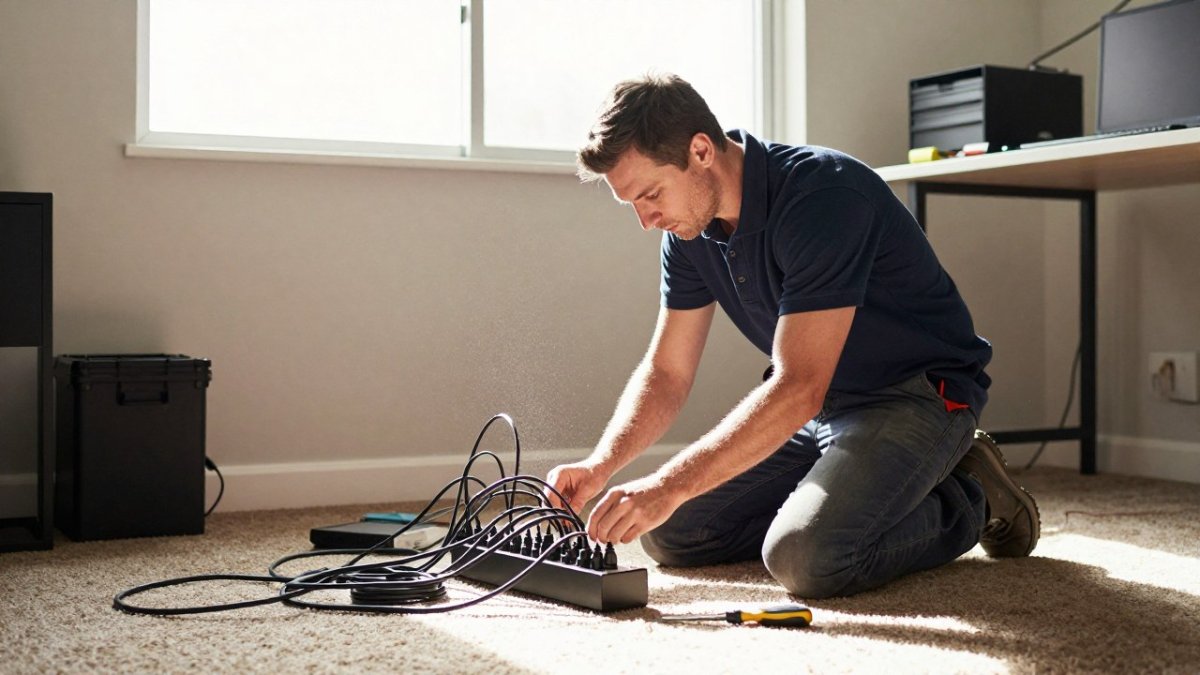
Electrical work creates mess fast. Dust, wire offcuts, plaster crumbs and drill debris can spread well beyond the job site. A little preparation helps keep your home usable.
Clear the path from the front door to the switchboard or work area before the electrician arrives to reduce damage risk.
Room-by-Room Checklist Before the Job Starts
Walk through each room that the work touches and do a quick check:
- Clear surfaces: Remove ornaments, frames and small items from shelves near the work area.
- Empty cupboards: Take out anything stored behind or inside a wall the electrician needs to access.
- Move furniture: Shift couches, beds and tables at least a metre from the work zone.
Protecting Floors, Walls and Furnishings
Once the room is clear, cover what remains with dust sheets and plastic floor protection.
- Lay heavy-duty drop cloths over carpet and hard floors in the work path.
- Cover couches and beds with plastic or old sheets.
- Tape plastic sheeting over doorways to hold dust in the work area.
Ask your electrician what they plan to cover before they start, so there are no gaps.
How to Reduce Dust During Electrical Work
Dust is the mess most homeowners underestimate. Drilling into plaster, chasing cable into walls and cutting conduit throw fine particles that settle on every surface, often hours later.
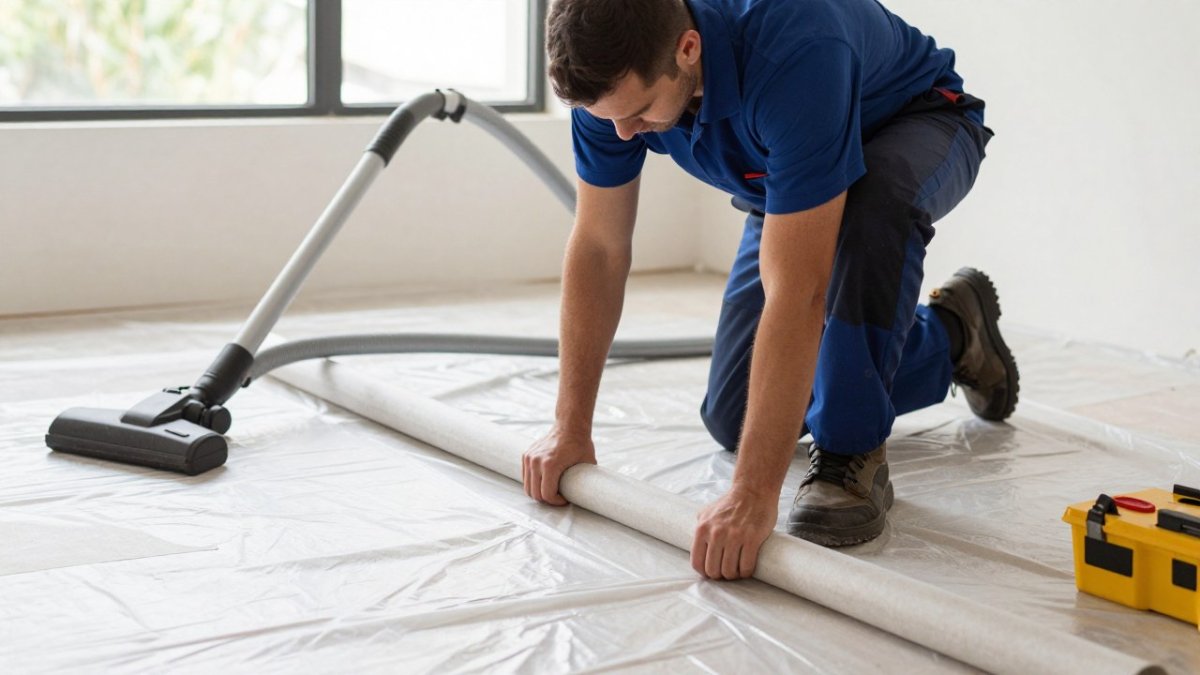
The goal is not to eliminate dust but to keep it in one room. Work in layers: seal the room, capture dust at the tool, and control the air path.
Sealing the Work Zone Before Drilling Starts
A sealed work zone is an effective dust-control measure. Set it up before the electrician opens a single wall:
- Close and seal the doorway: Tape plastic sheeting across the door frame, overlapping edges by at least 100 mm, and weight the bottom with a rolled towel or offcut of timber. Leave a liftable flap rather than cutting a permanent opening.
- Cover vents and returns: Tape plastic over air-conditioning vents, exhaust fans and wall registers inside the work zone. Dust pulled into a return vent redistributes through the whole house.
- Seal gaps under doors: A draught stopper or rolled towel at the base of adjacent doors stops fine dust migrating down hallways.
A common mistake is sealing the room but leaving the hallway door open for access, that one open door undoes most of the containment.
Capturing Dust at the Source
The most effective dust control happens at the drill bit or cutting blade, not at the vacuum afterwards:
- Ask about on-tool extraction: Ask whether your electrician can use a dust extractor that connects to the drill or grinder for chasing and drilling work.
- Use a helper with a vacuum nozzle: Where on-tool extraction is not available, a second person can hold a vacuum nozzle close to the drill point. A HEPA filter traps fine particles rather than blowing them back into the room.
- Mist the wall lightly before chasing: A light spray of water on the plaster line before cutting reduces airborne dust. Keep the spray well away from outlets, switches and any exposed wiring, and never spray near a live switchboard.
Watch out: never use water misting near exposed wiring, open switchboards or anything not confirmed as de-energised. Water and electricity do not mix, and the dust-control benefit is not worth the shock risk.
Managing Debris and Offcuts as You Go
Dust is only half the mess. Chasing cable into walls produces plaster chunks, brick dust and wire offcuts that accumulate quickly:
- Place a bucket or tub directly below the work point to catch falling debris before it hits the floor covering.
- Keep a rubbish bag inside the work zone for offcuts, packaging and cable insulation, and empty it at the end of each session.
- Put a damp rag or microfibre mat at the threshold inside the sealed zone so boots pick up less dust on the way out.
Dust will still escape, but a sealed zone with on-tool capture keeps most of it in one room, making cleanup far easier.
The table below summarises the dust-control steps covered in this section, so you can check them off before and during the job.
| Step | When to do it | Key note |
|---|---|---|
| Tape plastic across the doorway | Before drilling starts | Overlap edges by at least 100 mm |
| Cover vents and returns | Before drilling starts | Dust pulled into returns spreads through the house |
| Seal gaps under doors | Before drilling starts | Stops dust moving down hallways |
| Lay a drop cloth on the path | Before drilling starts | Overlap sheets so debris cannot fall between them |
| Ask about on-tool extraction | Before the job is booked | Captures dust at the drill or grinder |
| Mist the plaster line lightly | Before chasing | Keep water away from outlets, switches and wiring |
| Drill slowly and in stages | During the work | High-speed drilling throws more dust |
| Empty the rubbish bag | End of each session | Debris left overnight gets walked through the house |
Keeping the Work Area Organised and Safe
A tidy work area is a safer work area. Loose cables, tools left on the floor and trip hazards cause more accidents than most people expect.
Agree on a clear zone with your electrician, mark it with tape or a sign if it helps, and keep children and pets out while tools and live work are underway.
Tools and Materials That Keep Work Clean
Good preparation covers the tools as well as the room. A simple checklist helps:
- Drop cloths and plastic sheeting
- Painter's tape for sealing edges
- Rubbish bags for offcuts and packaging
Ask the electrician whether they will bring their own test tools and labelled cable.
Electrical Safety Basics: Isolating Power and Keeping Water Away
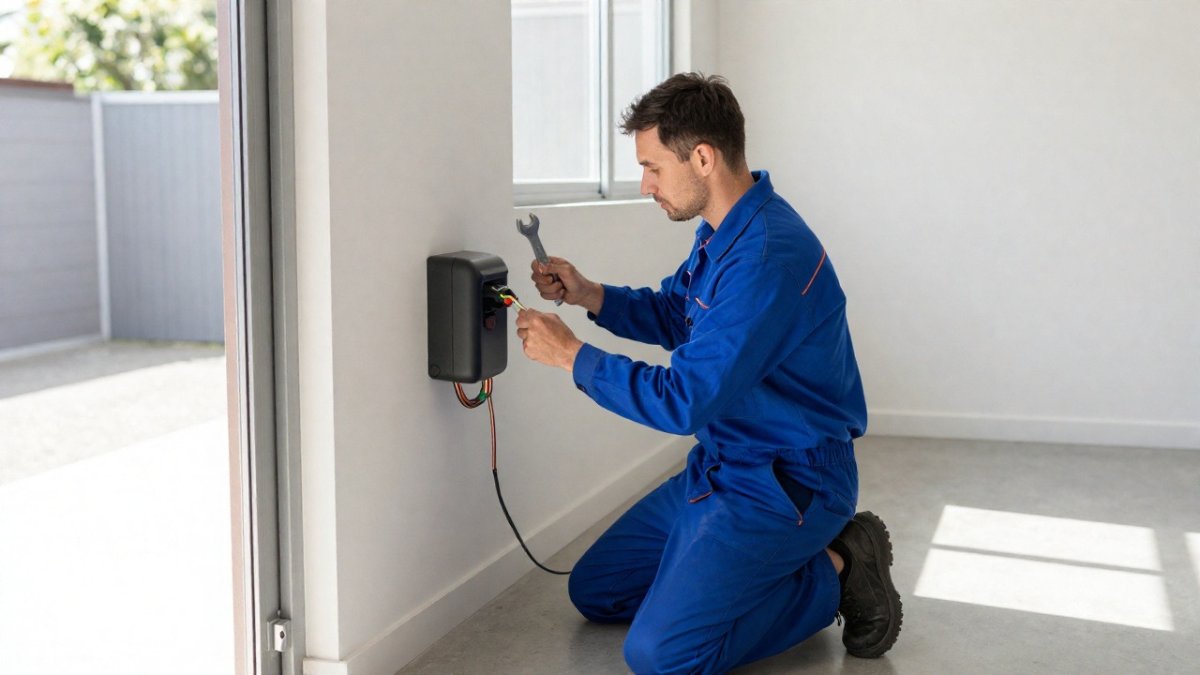
Before any work begins, ask your electrician to confirm which circuits are switched off.
Water and electricity do not mix. Keep these points in mind:
- Keep buckets, cleaning liquids and wet mops well away from live equipment.
- Never use water near an open switchboard or exposed wiring.
- Make sure safety switches (RCDs) are working before and after the job.
If you are considering an electrical upgrade, you can request a quote from BPE Solutions.
Electrical Work Cleanup: What to Do Afterwards
Cleanup is the final step of any electrical job. Dust settles quickly, and small offcuts can end up under furniture for weeks. The real gap is what you do with the waste and how you keep the rest of the house liveable during the work.
Keeping the Home Usable During the Job
A lived-in home does not stop for electrical work. Plan around the job rather than shutting down whole rooms:
- Protect access routes: Keep one clear path from the front door to the work zone, covered with a drop cloth. Do not let tools and cable drums block the hallway or kitchen.
- Set up a temporary station: If the work affects a kitchen or living area, move essentials, kettle, phone charger, pet bowls, to an unaffected room beforehand.
- Manage occupants and pets: Keep children and pets in a separate room with a closed door. A baby gate at the work-zone threshold is more reliable than a reminder.
Safe Disposal of Electrical Waste
Electrical work produces waste that should not go straight into the household bin:
- Wire offcuts and cable insulation: Bag these separately. Copper offcuts can be recycled if kept clean and separate from general rubbish. Ask your electrician whether they take offcuts away, many do as part of the job.
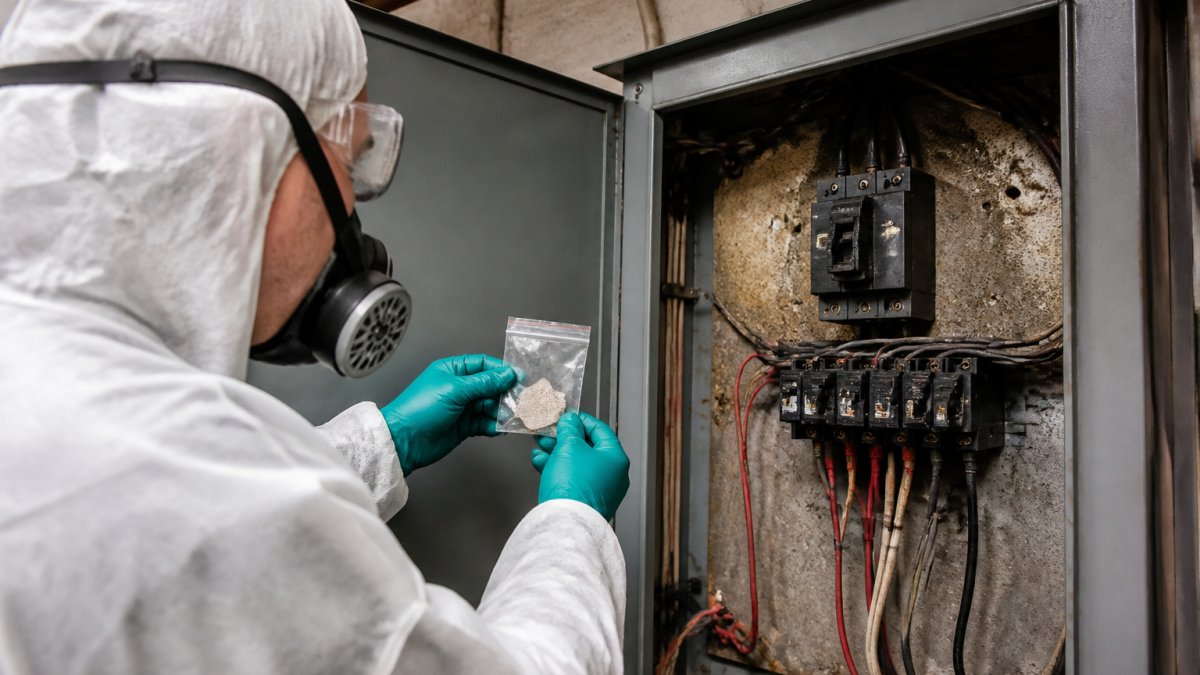
- Old switchboards, RCDs and wiring devices: These contain plastic, metal and sometimes small amounts of hazardous materials. Do not put them in the kerbside bin. Ask your electrician to dispose of them, or take them to a local e-waste or transfer station that accepts electrical components.
- Light globes and fluorescent tubes: Fluorescent tubes contain small amounts of mercury and should go to a dedicated recycling point, not general waste. Many hardware stores accept them.
Watch out: never put old smoke alarms, lithium batteries or unknown electrical components in the general waste or recycling bin. Batteries can ignite in collection trucks, and smoke alarms contain small radioactive sources that require proper disposal.
The Cleanup Sequence
Work through the cleanup in this order once the electrician has finished and tested the installation:
- Remove large debris first: Bag offcuts, packaging and broken pieces. Keep wire offcuts separate from general rubbish.
- Vacuum from the top down: Start with ceilings and walls, then floors. Use a HEPA-filter vacuum if you have one.
- Wipe all surfaces: Use a damp cloth on shelves, skirting boards and light fittings, changing it often rather than spreading dust around.
- Mop hard floors last: This picks up the fine dust the vacuum missed.
- Check every room: Look under furniture and inside cupboards for leftover screws or wire. Fine dust settles in rooms you did not think the work touched.
- Test the installation: Confirm everything works, and ask the electrician to show you the switchboard labels.
A common mistake is cleaning too early. Wait until the electrician has finished and tested the work, then clean in one pass. Cleaning between stages just moves dust back into the air.
Watch out: if you find sparking, a burning smell, a switchboard that keeps tripping or any exposed wiring after the job, switch off the affected circuit and call for help straight away. Contact our 24/7 emergency electrician in Camden South for help.
Electrical Safety When Cleaning Around Installations
Cleaning after electrical work means working near fittings, outlets and appliances. Take care around these items.
- Switch off power at the wall before wiping outlets or light switches.
- Use a dry cloth on electrical fittings. Never spray cleaner directly onto them.
- Keep vacuum cords away from wet areas and do not run them under rugs where they can overheat.
If you find a faulty appliance during cleaning, do not try to fix it yourself. Contact BPE Solutions for advice.
Booking Your Electrical Job With BPE Solutions
Good preparation makes any electrical job smoother. At BPE Solutions, we are owner-operated, so the electrician who quotes your job is the one who does the work.
Before you book, decide which services you need and check the area you are in. View our electrical services. If you are in Camden South, see our local electrician page for details.
Ready to get started? Ask for a free quote and tell us about the work you need.
Get a Free Quote
Frequently Asked Questions
How can I reduce dust during electrical work?
Close doors to the work area and seal vents or gaps with plastic sheeting. Lay heavy-duty floor coverings and dust sheets over carpets and furniture, and vacuum with a HEPA-filter vacuum rather than sweeping, which spreads fine particles. Ask your electrician to clear debris as they go so dust does not settle across the whole home. A written price is provided before work starts.
How should I prepare a room before an electrician arrives?
Move furniture, electronics and personal items away from the walls and outlets where work will happen, ideally to another room. Remove wall hangings near switchboards or power points, clear access paths to the switchboard, and lift rugs. Protect remaining furniture with dust sheets. Clearing the space in advance saves time on the day and reduces the chance of accidental damage or spills near electrical equipment.
Who is responsible for cleaning up after electrical work?
This should be agreed before the job begins. Agree on cleanup expectations with your electrician before the job begins. Homeowners are usually responsible for personal items and any areas outside the agreed scope. Ask whether cleanup is included in the written quote so there are no surprises at the end of the job.
Can I vacuum dust around electrical equipment?
Only when the equipment is switched off and isolated, and you use a vacuum with an appropriate attachment. Never vacuum near exposed wiring, live terminals or water. Use a dry vacuum only, keep the nozzle away from connections, and let the electrician check any switchboard or fitting before you clean around it. If you are unsure whether power is isolated, leave the area alone and call a licensed electrician.